ANT 3 "Fortune-Telling"
• This is where you predict the worst possible outcome to a situation or crucial conversation (like a job interview).
• For example: Before you discuss an unpleasant issue with a family member, a customer, a coworker, your boss, or a future employer you predict they will respond poorly. In doing this you setup a self-fulfilling prophesy. When you predict bad things, you unconsciously help make them happen. If you go to a job interview thinking they'll hate you and you'll never get the job, then you'll unconsciously sabotage your interview.
• REALITY CHECK: If you could accurately predict the future, you’d be a lottery billionaire by now! Even highly trained and experienced stock brokers cannot predict if a stock will go up or go down. No one can accurately predict the future, so why worry about it.
• And besides, you cannot control how others behave or react; you can certainly try to positively influence them, but ultimately they're responsible for their own behavior, and you're responsible for yours. Just do the best you can and let life take care of itself.
Saturday, January 12, 2013
Friday, January 11, 2013
The Power of Positive Thinking (Part 3)
ANT 2 "Focusing on the Negative"
• This occurs when your thoughts reflect only the bad in a situation and ignore any of the good.
• For example, you may have 100 customers, coworkers, or people you just know. Ninety five of them may love you but the other 5 do not. You dwell on the five who do not like you rather than the 95 who love you.
• REALITY CHECK: this is the proverbial pessimist versus the optimist. Is the glass half-empty or half-full? One needs to consider the good in things while acknowledging the bad. Remember that life is shades of gray. There’s no one who’s perfect. Statistically, 95% is considered perfect!
• Don’t be a Pollyanna by looking at the world through rose colored glasses, but try to be more optimistic by looking for the Positive in any situation. This will help you feel better.
• Don’t be a Pollyanna by looking at the world through rose colored glasses, but try to be more optimistic by looking for the Positive in any situation. This will help you feel better.


Wednesday, January 9, 2013
The Power of Positive Thinking (Part 2)
ANT 1 "Always/Never Thinking"
• This happens when you think something that happens will "always" repeat itself, or you’ll "never" get what you want.
• Thinking in words like always, never, no one, everyone, every time, every thing; for example:
• "He/She always puts me down.", "I’ll never get a raise.", "Everyone always takes advantage of me.", "No one ever listens to me."
• REALITY CHECK: A single event cannot predict a pattern of events or measure correlation. Statistically, one must have about 1000 random events to measure correlation. For example, a salesman typically will be told "no" dozens of times before he is told "yes".
Monday, January 7, 2013
The Power of Positive Thinking (Part 1)
Overview
I'm going to be posting a series of articles on the power of positive thinking. What I'm presenting here are not my original ideas (see sources at end) but scientifically proven strategies for helping you to think more positively in the New Year and beyond. Here is a brief outline on the upcoming posts:
What’s the big Secret to Life?
Your Thoughts ….............................................
..........................Affect Your Feelings …........................
.............................................................Which Become your Life!
So how do you enhance positive thoughts?
You have to Kill the ANTs…by feeding your emotional ANTeater
What are ANTs?
Automatic Negative Thoughts
ANT 1 "Always/Never Thinking"
ANT 2 "Focusing on the Negative"
ANT 3 "Fortune-Telling"
ANT 4 "Mind Reading"
ANT 5 "Thinking with your Feelings"
ANT 6 "Guilt Beating" (Should statements)
ANT 7 "Time Traveling"
ANT 8 "Labeling and Mislabeling"
ANT 9 "Personalizing"
ANT 10 "Blaming"
Sources:
Change Your Brain Change Your Life by Daniel Amen, M.D.
Making a Good Brain Great by Daniel Amen, M.D.
Feeling Good by David Burns, M.D.
The Secret by Rhonda Byrne
The Power of Positive Thinking by Norman Vincent Peale
The Bible by God
I'm going to be posting a series of articles on the power of positive thinking. What I'm presenting here are not my original ideas (see sources at end) but scientifically proven strategies for helping you to think more positively in the New Year and beyond. Here is a brief outline on the upcoming posts:
What’s the big Secret to Life?
Your Thoughts ….............................................
..........................Affect Your Feelings …........................
.............................................................Which Become your Life!
So how do you enhance positive thoughts?
You have to Kill the ANTs…by feeding your emotional ANTeater
What are ANTs?
Automatic Negative Thoughts
- Your thoughts are REAL, and they have a real impact on how you feel and how you behave.
- When you have a thought, your brain releases chemicals which create an electrical transmission across your brain. You then become aware of what you’re thinking.
- Negative thoughts adversely affect your body and your overall health.
- Positive thoughts beneficially affect your body and your overall health.
- Bad thoughts are toxic to your brain and poisonous to your body. You can train your thoughts to be positive and hopeful, or you can allow them to be negative and upset you.
- Sometimes your thoughts will lie to you. It’s important to check them before you believe them.
- To counteract your Automatic Negative Thoughts you need to TALK BACK TO THEM! When you talk back to your ANTs you feed your emotional ANTeater.
ANT 1 "Always/Never Thinking"
ANT 2 "Focusing on the Negative"
ANT 3 "Fortune-Telling"
ANT 4 "Mind Reading"
ANT 5 "Thinking with your Feelings"
ANT 6 "Guilt Beating" (Should statements)
ANT 7 "Time Traveling"
ANT 8 "Labeling and Mislabeling"
ANT 9 "Personalizing"
ANT 10 "Blaming"
Sources:
Change Your Brain Change Your Life by Daniel Amen, M.D.
Making a Good Brain Great by Daniel Amen, M.D.
Feeling Good by David Burns, M.D.
The Secret by Rhonda Byrne
The Power of Positive Thinking by Norman Vincent Peale
The Bible by God
Monday, December 31, 2012
Looking Back at 2012 and Forward to 2013
Looking Back at 2012 and Forward to 2013

On December 31st
of each year, most all of us look back at the events of the past year and take
inventory of our lives. We remember our
successes and failures, our joys and sorrows, and resolve to do things differently
in the New Year. So I’d like to share
with you something to consider as you make your New Year’s resolutions.
In September 1997, I
heard of the passing of a wonderful physician who helped change the world for
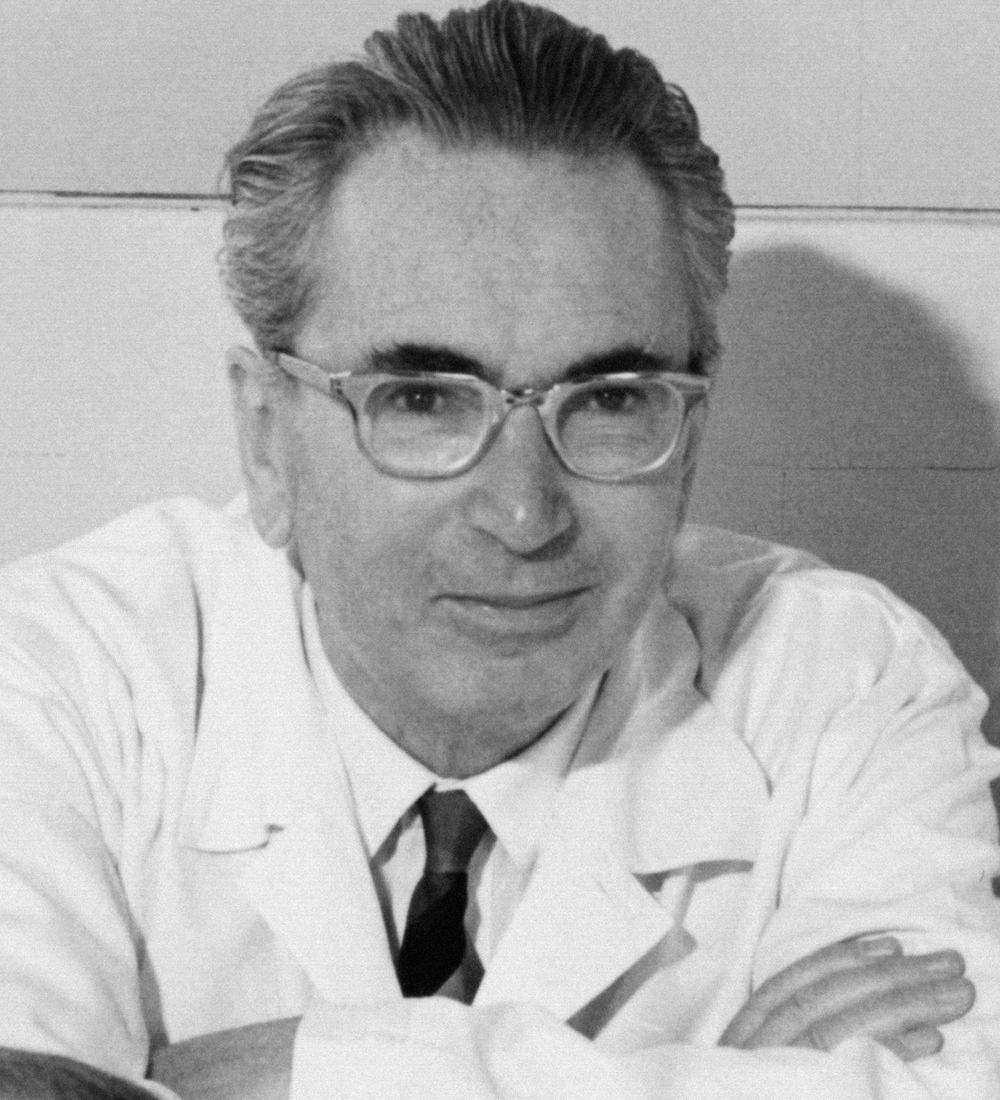
the better. Dr. Viktor E. Frankl, M.D.,
Ph.D. (March 26th 1905—September 2nd 1997) was an
Austrian Psychiatrist who survived the Nazi concentration camp at Auschwitz. After he was liberated, he wrote one of the
most life changing books I’ve ever read: Man’s Search for Meaning (pub.
1946). In fact, the Library of Congress listed this book as one of the ten most influential books in the U.S. By the time of Dr. Frankl's passing, the book had sold over 10 million copies and had been translated into 24 languages.
In the book, Dr. Frankl
wrote about his experiences in Auschwitz and the lessons he learned. The one take away I got from the book was
this: It doesn’t matter what You ask of
Life, but what Life asks of You that really matters!
You may ask that Life
bring you Happiness and Prosperity in the New Year, but what Life
may ask of you could be the exact opposite.
I know this is sobering to think about, but consider this: are happiness and prosperity really in your control? Not really!
The only things really in your control are your own thoughts, attitudes,
and choices in life.
You can choose to think
positively rather than negatively; you can choose to love rather than hate; you can choose to forgive rather than hold a grudge; you
can choose to do good rather than do evil; you can choose to be merciful rather
than be vindictive; you can choose to have faith rather than give into fear; you can choose to have hope rather than give into despair; and you can choose to accept whatever life asks of you with
humility and grace.
May God Bless You in the New Year,
Bryan
Viktor E. Frankl, M.D., Ph.D. (1905-1997) http://en.wikipedia.org/wiki/Victor_Frankl
May God Bless You in the New Year,
Bryan
Viktor E. Frankl, M.D., Ph.D. (1905-1997) http://en.wikipedia.org/wiki/Victor_Frankl

Saturday, December 29, 2012
New Years Resolutions
I wanted to share this excellent article by Shawn Parr publised on FastCompany December 27, 2012. It's well worth your time to read. Parr writes, "Each of us has the ability to choose how we show up to life every day: sleeves rolled up or hands out. Here's how to have a happier and more productive New Year--at home as well as at work."
Happy New Year,
Bryan
Happy New Year,
Bryan
http://www.fastcompany.com/3004179/10-resolutions-make-2013-your-best-year-ever
Wednesday, December 26, 2012
Les Misérables
Les Misérables
 On Christmas day, my family and I went to see Les Misérables. It’s a musical film adaptation of the famous
London Play based on the book by Victor Hugo first published in France in
1862. The film stars Hugh Jackman as Jean Valjean,
Russell Crowe as Javert, Anne Hathaway as Fantine, Amanda Seyfried as Cosette, Eddie
Redmayne as Marius, Samantha Barks as Eponine, Isabelle Allen as the young Cosette, and Daniel Huttlestone as the young street urchin Gavroche (these kids are just too cute!).
On Christmas day, my family and I went to see Les Misérables. It’s a musical film adaptation of the famous
London Play based on the book by Victor Hugo first published in France in
1862. The film stars Hugh Jackman as Jean Valjean,
Russell Crowe as Javert, Anne Hathaway as Fantine, Amanda Seyfried as Cosette, Eddie
Redmayne as Marius, Samantha Barks as Eponine, Isabelle Allen as the young Cosette, and Daniel Huttlestone as the young street urchin Gavroche (these kids are just too cute!).(URL: www.lesmiserablesfilm.com).
The film is fantastic!
All the actors sing their parts.
I was especially impressed with Amanda Seyfried’s saprano performance (her role in Moma Mia didn't do her voice justice). The visuals are stunning and very realistic, and the
acting and singing performances are Academy Award winning material.
I'm what professional marketers call "a late adopter"; in other words, "I'm a Johnny come lately!" Just a few years ago, I rented the 1998 dramatic movie starring Liam Neeson (one of my favorite actors) as Jean Valjean, Geoffrey Rush as Javert, Uma Thurman as Fantine, and Claire Danes as Cosette. I was so inspired by the story that I immeadiately bought both the Kindle and Audible versions of the book and devoured them. (The book itself is very long—over 1000 pages—so I had to cheat with the audio version in order to get through it in a reasonable amount of time.)
What I love about the the story is that it epitomizes what I like to write about: the socio-economic struggles mankind faces in life. Its themes include: social injustice, good vs. evil, virtue vs. vice, love vs. hate, justice vs. mercy, hope vs. dispair, faith, repentance, forgiveness, and atonement.
The character Jean Valjean epitomizes how one man can help change the world for the better by first changing himself for the better. The story epitomizes how Mercy always triumphs over Justice, how Hope always triumps over Dispair, and how Love always triumphs over Hate. I don’t want to spoil the show for you, so do yourself a favor and go see the movie.
The character Jean Valjean epitomizes how one man can help change the world for the better by first changing himself for the better. The story epitomizes how Mercy always triumphs over Justice, how Hope always triumps over Dispair, and how Love always triumphs over Hate. I don’t want to spoil the show for you, so do yourself a favor and go see the movie.
Monday, December 24, 2012
HOW CAN YOU BECOME A BETTER PERSON?
HOW CAN
YOU BECOME A BETTER PERSON?
by Bryan J. Neva, Sr.
by Bryan J. Neva, Sr.
In
my last two blog postings, I presented a rational argument that if you want to
help change the world for the better, you have to begin by changing yourself
for the better (which is easier said than done). Throughout our history, mankind has struggled
to become better with limited success.
Some have succeeded to varying degrees, but as we all know, most have
not.
So
how can we become better people?
How can we become more kind to others?
How can we live more honestly, decently, ethically, and morally? How can we change ourselves for the better? These are the sixty-four thousand dollar
questions mankind has been asking for generations? And there are no simple answers. If it were so easy to become better people,
we would be living in a utopia by now.
So
rather than first asking how can we become better people, let’s first ask how
did we get into this condition in the first place? How did our world become so unfair and
unkind?
First
of all, Judeo-Christian teachings say that God is the Supreme Being who created
everything in the universe, and according to His divine will and providence,
keeps them in existence. God is
infinitely perfect and the source of all life, knowledge and truth. God is all-holy, almighty, all-eternal,
all-good, all-knowing, all-present, all-wise, all-loving, all-just, and all-merciful
(just to name a few).
Surprisingly,
followers of Judeo-Christian teachings believe that just by natural reason we can
come to know God. All you have to do is
consider the universe we live in…. All
the created realities from the stars in the night sky, our sun and moon, the earth
we live on, the wonder of nature, all the creatures that inhabit or world (from
the smallest to the greatest), or our own human bodies give evidence of God’s
existence. Consider the phenomena found
in nature and the physical, mathematical, and life sciences that study them and
try to explain them with varying degrees of success. Yes mankind has learned a lot over the ages,
but it’s still only a drop in the ocean compared with what we still don’t
know. But actually there’s a much
simpler way to know God: just look deep within yourself—into the recesses of
your mind—and you’ll know there IS a God!
In
the beginning, men and women perfectly reflected God’s own perfect holiness,
goodness, wisdom, knowledge, power, and love.
They were free from suffering and death and were given the freedom to
choose or free will. By obeying God,
they could remain in this wonderful state of perfection; but by disobeying God,
they’d lose the wonderful gifts He gave them.
Our
God-given ability to freely choose
or free will means that God will not force us to love him or to obey him, nor
will God force us to act honestly, decently, ethically, and morally in our
dealings with other people, but ultimately God will hold us all accountable for
the way we lived our lives and how we treated other people.
Unfortunately,
men and women fell from this original state of perfection through pride,
selfishness, and disobedience to God.
They lost these wonderful gifts God gave them, and this is what brought
suffering and death into the world.
Since
the fall of man and woman, all generations that followed have failed to live up
to God’s moral and ethical laws; this is what followers of Judeo-Christian
teachings call original sin and it disrupted man’s intimate, loving
relationship with God our creator.
As
a result of this original sin every man and woman was born into a fallen
state of separation and alienation from God and became subject to suffering,
death, ignorance, and a strong inclination to sin and to disobey God. Men and women lost God’s wonderful gifts of
holiness, justice, grace, great knowledge, control of their passions, and
freedom from suffering and death.
History
has clearly shown that we cannot save ourselves or reverse the effects of this
curse of original sin—only God
can! Every generation that has
come and gone has tried and failed miserably.
Some would argue that the world is slowly getting better and we’re more
advanced than previous generations. Our
technology and scientific understanding have grown. They could argue that we’re no longer stuck
in the dark ages and there’s relative peace in most of the developed
world. But before long, someone or
something will change all that: murder, mayhem, misunderstandings, conflict,
war, famine, natural disasters, sickness, disease, etcetera, etcetera…. The more things change, the more they stay
the same. And deep down inside each of
us we know that life is basically unfair and unkind?
Fortunately,
God didn’t give up on us! He immediately
began to save the human race from our fallen condition. The history recounted throughout the Bible
recounts the unfolding of God’s plan to save the human race from this curse of original
sin.
God
made covenants (or solemn, unbreakable agreements) with our forefathers
beginning with Noah and continuing with Abraham, Isaac, Jacob/Israel, and Moses. He sent prophets (or seers) to tell us the
right way to live and warn humanity of the consequence of bad behavior.
God
spoke to all of us in various ways throughout the ages reminding us of his love
for us and his desire for us to return to him through righteous living. And eventually, God spoke to us directly
through His own Son Jesus Christ. God’s redemptive
plan to free mankind from this curse of original
sin and restore our original destiny to share God’s blessed life was
fulfilled through the birth, life, suffering, death, burial, resurrection, assumption into heaven, and the glorification of the human nature of Jesus Christ, the Son of God, the God-Man, and the second person of the Holy Trinity (the Father, the Son, and the Holy Spirit). Simply put, we couldn’t save ourselves, so God sent His
Son into the world to do it for us.
This
redemptive act is beautifully summarized in St. John’s Gospel (3:16, 17): For God so loved the world that he gave
his one and only Son, that whoever believes in him shall not perish but have
eternal life. For God did not send his
Son into the world to condemn the world, but to save the world through him.
Why
would God do this? Because he loves us
all dearly! We’re his children. He could no more abandon us than a good
mother could abandon her children.
This
in a nutshell is the Good News (or Gospel) of our salvation: God offers
this free gift of redemption and salvation from original and actual sin to
anyone who will believe in Him or
have faith, is baptized in His name: the Father, the Son, and the Holy Spirit
(or the Holy Trinity), and then perseveres
in a life of love for God and their neighbor by striving to live honestly,
decently, ethically, and morally good in accordance with God’s teachings.
Since
the early years of the Christian Church they have faithfully recited the
Apostles Creed (or variation of it) during their worship services. And it succinctly describes what Christians
believe in: I believe in God, the Father almighty, creator of heaven and
earth. I believe in Jesus Christ, his
only Son, our Lord. He was conceived by
the power of the Holy Spirit and born of the Virgin Mary. He suffered under Pontius Pilate, was
crucified, died, and was buried. He
descended into hell. On the third day he
rose again. He ascended into heaven and
is seated at the right hand of the Father.
He will come again to judge the living and the dead. I believe in the Holy Spirit, the holy
catholic church, the communion of saints, the forgiveness of sins, the
resurrection of the body, and the life everlasting. Amen.
When
people asked Jesus how a person should live a truly good life he answered (Matthew
22:37-40): Love the Lord your God with
all your heart and with all your soul and with all your mind. This is the first and greatest
commandment. And the second is like it:
Love your neighbor as yourself. All the
Law and the Prophets hang on these two commandments.
This
is the law of love that Jesus commanded for his followers, which is beautifully
described in detail in His Sermon on the Mount in Matthew chapters 5, 6,
and 7. In His Sermon on the Mount,
he made the practical connection between the written Jewish law and loving God
and others.
He
taught that it’s not enough to have faith
in God to save us we must also persevere in love for God and others. For example, He taught that it wasn’t enough
to love our friends and relatives or those who love us; we must also love our
enemies or those who treat us poorly.
The
Apostle Paul in his first letter to the Corinthians (13:4-8,13) explained this
law of love further by describing the virtues of faith, hope, and love that
practicing Christians should strive for: Love is patient, love is kind. It does not envy, it does not boast, it is
not proud. It is not rude, it is not
self-seeking, it is not easily angered, it keeps no record of wrongs. Love does not delight in evil but rejoices
with the truth. It always protects,
always trusts, always hopes, always perseveres.
Love never fails. And now these
three remain: faith, hope and love. But
the greatest of these is love.
Persevering
in a life of love for God and others is what practicing Christians strive for
their whole lives. Salvation is a
process of being liberated or freed from evil or from the undesirable
through the redemptive work of Jesus Christ.
We can’t simply say, “I believe in God!”, and all our troubles and bad habits will magically disappear. It doesn’t work that way. Ask anyone who’s addicted to alcohol, illegal
drugs, or anything else? God certainly
didn’t need our help to create us, but He certainly won’t save us without our
help. It takes time and effort and
perseverance. The old adage God helps those who help themselves is
quite true. There’s also an old adage
that says For every step you take towards
God, God takes two steps towards you.
And
remember, that God has given all of us the capacity to choose good rather
than evil; although, our freedom to choose good is wounded by
this curse of original sin. We
overcome sin and bad behavior in our lives through our daily, continued faith
and trust in God’s mercy, grace, and forgiveness, and through our continued
obedience to His will and moral edicts.
When
we fail to live up to God’s high standards, we pick ourselves up, dust
ourselves off, pray for God’s mercy and forgiveness, and continue on our
Christian struggle. And, if we’ve
wronged anyone, we need to reconcile with him or her by asking forgiveness and
making amends. But what we don’t do is
give up and become despondent because it’s too difficult! It is more challenging and difficult to live
a life of love than it is to live a life of hate. It’s harder to be good than it is to be
bad. If you don’t want to be good, then
all you have to do is nothing!
Consider
what Jesus taught about the final judgment (Matthew 25:31-46): he never said
we’d be judged on how religious we were, but on how we treated others
especially the poor, the dispossessed, the powerless, and the disenfranchised. Did we feed the hungry, give drink to the
thirsty, clothe the naked, shelter the homeless, care for the sick, or visit the
imprisoned? In other words, did we help
bring the Kingdom of God into the world through love, peace, justice, and good
behavior? Or, did we act like everyone
else and oppress the poor and downcast, lie to others, cheat others, treat
others badly, and hate our neighbors?
Christians
believe that we cannot separate our faith from our everyday lives. We cannot compartmentalize our lives by
behaving righteously in some circumstances and behaving unrighteously in
others. What good does it do to go to
church on Sundays but behave badly during the rest of the week? We can oftentimes fool other people;
sometimes we can even fool ourselves; but we can never fool God!
Persevering
in our Christian faith is an integral and necessary part of becoming better
people. But ultimately, Christians don’t
believe we become better people by getting smarter or through our own hard
work, but through our trust and faith in God to work in us and through us. We must try to do our best and then let God
do the rest.
Some
call this cooperating with God because all we can really offer to God is
our free will. St. Paul wrote (Ephesians
2:8-10): For by grace you have been saved through faith—and this is not from
yourselves, it is the gift of God—not by works, so that no one can boast. For we are God’s workmanship, created in
Christ Jesus to do good works, which God prepared in advance for us to do.
Because
of this, practicing Christians don’t claim to always be perfect, upstanding
citizens. We’re human beings—just like
everyone else—full of flaws, weaknesses, and insecurities. But the process of persevering to overcome
our sinful ways and live honestly, decently, ethically, and morally is what God
is looking for from us, and then his grace will do the rest in us. St. Paul discussed the necessity of
persevering in our Christian faith this way (Philippians 2:12-13): Continue to work out your salvation with
fear and trembling, for it is God who works in you to will and to act according
to his good purpose.
These
are all encouraging things to ponder, but what about the big problem that
the philosopher Qoheleth brought up in his book Ecclesiastes: the problem of death?
Recall that Qoheleth believed that it is death and our fear of death
that make life so pointless, frustrating and meaningless for all of us. Well salvation is not only being liberated
from evil or the undesirable but it’s also being liberated from death!
For
practicing Christians, our hope is in the resurrection from the dead so that we
no longer have to live in fear of death.
As Christ conquered death by rising from the dead, we believe that
someday he’ll raise us from the dead as well.
Our belief in the resurrection from the dead is what gives Christians
hope beyond our futile existence that somehow God will one day raise us from
the dead to an everlasting life with Him in heaven. And since we no longer have to live in fear
of death (our necessary end), we can live a meaningful life knowing that our
persistence in living honestly, decently, ethically, and morally won’t go
unrewarded.
In
short, based on the premise of original sin, redemption, and salvation, we can become Christians through faith and baptism. And then we become better people by persevering
in a life of love for God and
others through honest, decent, ethical, and moral living. These are what save us. For Christians, faith is the beginning but
the end result is love for God and others.
Sunday, December 16, 2012
CHANGE YOURSELF AND YOU’LL CHANGE THE WORLD: Part 2
CHANGE YOURSELF AND YOU’LL CHANGE THE WORLD: Part 2
Dr. Lawrence Kohlberg (1927-1987), a Harvard University
Professor of Psychology, developed a widely accepted theory on the stages of
our moral development in the 1970s.
Basically, he believed that people progressed in their moral reasoning
and ethical behavior through a series of six identifiable stages:
Level 1:
Pre-Conventional
1. Obedience and Punishment orientation—a primary school level of moral and ethical behavior where
people behave because they are told to do so; they’re rewarded for their good
behavior and punished for their bad behavior.
2. Self-Interest orientation—a middle school level of moral and ethical behavior where
people behave because it’s in their own self-interest.
Level 2:
Conventional
3. Social norms orientation—a high school level of moral and ethical behavior where
people behave in order to gain the approval of others.
4. Law and Order orientation—a mature adult level of moral and ethical behavior where
people behave because they want to be dutiful, law-abiding citizens.
Level 3:
Post-Conventional
5. Social Contract orientation—a personally intrinsic level of moral and ethical behavior
where people behave because of social mutuality and a genuine interest in the
welfare of others.
6. Principled Conscience orientation—a universal principled level of moral and ethical behavior where people behave because of their individual conscience.
Dr. Kohlberg believed that people cannot skip from one stage
of moral development to another, but that we can only progress through each
stage one at a time. In order to get to
the next higher stage of moral development, we must comprehend a moral
rationale for going to the next higher level.
In fact, most all of us often will regress to earlier stages of moral
development and have to relearn the rationale for getting back on track (e.g.
people issued tickets for moving violations, convicted criminals, those who are
trying to overcome addictions like alcohol, those suffering the consequences of
bad behavior, etc.) He also didn’t
believe the majority of us ever get to the last stages of moral
development. In the past century, maybe
only Mahatma Gandhi or Saints like Pope John Paul II or Mother Teresa ever
achieved these levels.
Contemporary Psychologist and author, Dr. David Lieberman in
his book Make Peace with Anyone
makes a compelling argument that to be happy, have good relationships, and
be psychologically balanced, a person must feel good about themselves. Feeling good about ourselves is called self-esteem
or self-respect or self-love. And
self-esteem is a byproduct of how we live our lives. If we do not respect ourselves then we cannot
truly love ourselves nor respect and love others.
In order to have self-esteem, Dr. Lieberman argues, we must
consistently make wise and morally good choices. In other words, if we do what is right we’ll
(more often than not) feel good about ourselves and improve our self-esteem;
but if we do what is wrong, we’ll feel guilt, embarrassment, and shame and lose
our self-esteem.
Furthermore, our personal freedom and independence allow us
to make choices; so if we’re coerced into making certain choices, it’ll rob us
of our personal freedom and harm our self-esteem. This is what sparks many human conflicts,
writes Dr. Lieberman.
Dr. Lieberman explains that there are three underlying
motivations behind our choices: 1) We can choose what feels good (Dr.
Kohlberg’s level one); for example, overeating, laziness, abusing drugs,
alcohol, or tobacco, or any immoderate, unwholesome, behavior; 2) We can
choose what makes us look good (Dr. Kohlberg’s level two); for example, not
living for ourselves but for our image; any behavior that projects a worldly,
materialistic, self-centered image; being consumed with money, power, control,
or vanity; or 3) We can choose what is good! (Dr. Kohlberg’s level
three). Only the third alternative of
choosing responsibly and wisely will give us true freedom, self-respect,
improve our self-esteem, and allow us to live at peace with others.
Reverend Robert Fulghum in his famous book All I Really Need to Know I Learned in
Kindergarten eloquently describes the wisdom we all learned as
children:
All I really need to know about how to live and what to do
and how to be, I learned in kindergarten. Wisdom was not at the top of the
graduate-school mountain, but there in the sand pile at Sunday school. These
are the things I learned:
Share everything.
Play fair.
Don’t hit people.
Put things back where you found them.
Clean up your own mess.
Don’t take things that aren’t yours.
Say you’re sorry when you hurt somebody.
Wash your hands before you eat.
Flush.
Warm cookies and cold milk are good for you.
Live a balanced life—learn some and think some and draw and
paint and sing and dance and play and work every day some.
Take a nap every afternoon.
When you go out into the world, watch out for traffic, hold
hands, and stick together.
Be aware of wonder. Remember the little seed in the
Styrofoam cup: the roots go down and the plant goes up and nobody really knows
how or why, but we are all like that.
Goldfish and hamsters and white mice and even the little
seed in the Styrofoam cup—they all die. So do we.
And then remember the Dick-and-Jane books and the first word
you learned—the biggest word of all—LOOK.
Everything you need to know is in there somewhere: The
Golden Rule and love and basic sanitation; ecology and politics and equality
and sane living. Take any one of those items and extrapolate it into
sophisticated adult terms and apply it to your family life or your work or your
government or your world and it holds true and clear and firm. Think what a
better world it would be if we all—the whole world—had cookies and milk about
three o’clock every afternoon and then lay down with our blankies for a nap. Or
if all governments had as a basic policy to always put things back where they
found them and to clean up their own mess. And it is still true, no matter how
old you are—when you go out into the world, it is best to hold hands and stick
together.
In short, the keys to living well are really quite simple:
if we wouldn’t allow our children to behave in certain ways towards others, why
would we behave that way towards others?
In a popular motivational fable by an unknown author there
was once an old man who had a habit of walking along the beach every
morning. One morning when he went to the
beach he discovered there had been a strong storm the previous night that had
washed thousands of starfish up onto the beach.
Then at a distance, he spotted a young man dancing along the
beach. How odd the old man thought to himself; the beach is littered with soon
to be rotting starfish and this young guy is dancing? So he ran up to him to see why he was
dancing. As he got closer he saw that
the young man wasn’t dancing at all but instead was reaching down and picking
up starfish and very gently throwing them back into the ocean.
The old man asked him, “Good morning! What are you doing?”
The young man replied, “Throwing starfish into the ocean!”
“Why are you throwing starfish into the ocean?” the old man
asked.
The young man replied, “The sun is up, and the tide is going
out; and if I don’t throw them back in the ocean they’ll surely die!”
“Young man, don’t you realize that there are miles and miles
of beach, and there must be thousands and thousands of starfish along it. You
can’t possibly make a difference!”
The young man listened politely, then bent down and picked
up another starfish and gently threw it back into the ocean and said, “It made
a difference for that one!”
The old man paused a bit and contemplated the enormity of
the task and then bent down, picked up a starfish and gently threw it back into
the ocean....
Each of us has the innate ability to learn from experience
and make free choices in our lives. This
is what sets us apart from the animals.
We’re not locked into certain behavior patterns. Each of us has the freedom to choose to
become better people: more honest, decent, ethical, virtuous, and morally good
people. We can choose to continue to
live self-centered lives, or we can choose to live others-centered lives.
Bill FitzPatrik of the American Success Institute (www.success.org) wrote, You do not
need to prove your might at the expense of others. You do not need diplomas, awards or the
acclaim of others to know who you are.
You do not need an audience to do the right thing. You do not need a lot of money or many
physical possessions to be happy. You do
not need stand first in line. You do not
need coaxing to fulfill your religious obligations. You do not need lesions to act civilly. You do not need prompting to help someone in
need.
When we live honest, decent, ethical, virtuous, and morally good lives, we make life more meaningful and better not only for ourselves but for everyone else around us. When we change for the better we help make the whole world a little better. The Greek and Jewish philosophers all believed this, the science of psychology affirms this, and deep down inside we all know this to be true (natural law). Mahatma Gandhi said: We must become the change we want to see. So if we want to make our world a better place to live in, then, individually, each one of us must change for the better. Change yourself and you’ll change the world.
Tuesday, December 11, 2012
CHANGE YOURSELF AND YOU’LL CHANGE THE WORLD: Part 1
CHANGE YOURSELF AND YOU’LL CHANGE THE WORLD: Part 1
Most of us discover at a young age that life is not always
fair, and we don’t always get what we need or want or even deserve. As
children, many of us came to realize that other children may have come from
better families, lived in better homes, wore nicer clothing, played with better
toys, or were more healthy, attractive, athletic, intelligent, outgoing, or
personable. If you were fortunate enough
to have been blessed with any of those qualities, eventually you may have
figured out that not everyone had been blessed like you….
Until we first experienced unkindness, hatred, or betrayal,
we lived in an innocent, kind, loving, and just world. It was probably as close to heaven as most of
us have ever seen.
The differences we discovered as children most likely became
more pronounced during our difficult teenage years as those who were below average struggled to get by in a
world that values the best, the brightest, the attractive, the athletic, the
talented, the articulate, the extroverted, the gregarious, the popular, and the
well to do.
As adults, most of us have faced unfairness, injustice,
discrimination, disappointment, selfishness, cruelty, and hatred. Not everyone is fortunate enough to have the
talent, resources, or the opportunity to be financially successful. Life
and work can be analogous to
four-letter-words at times. Whether we
came from humble beginnings, we were handicapped in some way, we made some poor
choices in life, we experienced broken relationships, or we were victims of circumstances
beyond our control (sadly) we all say to ourselves at times: life is not fair!
But certainly not all of life is drudgery and misery. If that were the case, we’d all be in a
hopeless situation. With all its ups and
downs, life can indeed be beautiful when we experience the wonders of nature,
the beauty of a sunrise or sunset, the stars in the night sky, the love,
support, and fellowship of family and friends, the excitement of romance, the
birth of a child, the unconditional love of a pet, the kindness of strangers,
the excitement of something new, the joy of learning, the satisfaction of
accomplishment, or the pleasures of good food and drink....
Life can be blessings and curses, joys and sorrows, comforts
and sufferings, pleasures and pains, health and sickness, fairness and injustice,
love and hate, good and bad, successes and failures....
But the unkindness and injustice of life takes on a whole
new meaning when we see the rich, the powerful, the attractive, the eloquent,
the articulate, or the talented rewarded for their immoral, unethical, or
dishonest behavior. And it’s hard to
understand why those who habitually mistreat and oppress others are rewarded
with greater wealth, power, or prestige. Sometimes good people are punished while
bad people are rewarded. It’s one of
life’s great mysteries.
So maybe if we petitioned our government they could pass
laws making life more honest and fair for everyone? Maybe we could pass a constitutional
amendment that will ensure that everyone treats everyone decently? Unfortunately the government couldn’t
possibly pass enough laws or hire enough people to enforce honesty, decency,
and fairness. In fact, the government suffers from the same problems we do because
people are people regardless of who they are or where they work. Anywhere you go in the world you’ll find
dishonest, immoral, and unethical people. (Sadly, even in sacred places.) It’s quite impossible to force people to
treat others well and to live honest, decent, ethical, virtuous, and morally
good lives. What the world really needs
is a change of heart…and only God can do that!
Ethical philosophers and thinkers throughout the ages (like the
famous Greek philosophers Socrates, Plato, Aristotle, and Zeno) have pondered
why and how we should live honest, ethical, virtuous, and decent lives. Marcus Aurelius, a famous Roman Emperor from
161-180 A.D.
and a practicing Stoic philosopher, wrote in his book Meditations, We ought to do good to others as simply as a
horse runs, or a bee makes honey, or a vine bears grapes season after season
without thinking of the grapes it has borne. In other words, living a good and decent
life is self-evident in nature (or natural law). We don’t need laws to be written to tell us
that lying, cheating, stealing, or killing is wrong.
The famous philosopher
Plato (a student of Socrates) wrote in his book The Republic (circa 387 B.C.) an
allegory called The Cave (which is
probably the basis of all Western philosophical thought). In the story, Socrates has a conversation
with Plato’s brother Glaucon in which he describes a prehistoric theater deep
inside a cave where the audience members, since their childhoods, are chained
and held captive watching a shadow puppet show (similar to a movie theater
today). The show the captive audience
watched were images of the real things and events in the world outside the cave.
So one day an audience
member was set free and told that the shadow puppet show he’d been watching
since childhood were not at all real but merely illusions of reality. At first he was skeptical and didn’t believe
it. So to prove it to him, he was shown
the puppets and fire that produced the shadows he’d watched since childhood,
but he still wouldn’t believe it.
Finally, he was forcibly dragged out of the cave into the sunlight of
the real world.
Initially he was shocked
by what he saw as his eyes painfully adjusted to the bright sunlight. But after awhile, he came to see and appreciate
the beauty of the world as it really is outside of the cave.
Later on, however, he
started to feel pity for the captives still imprisoned deep inside the cave. So after much thought, he decided to venture back
inside the cave in order to tell them the truth about the cave: that it was all
a lie and a poor reflection of reality.
After he went back into
the cave and told the others about the real
world outside the cave they just laughed at him and said he’d lost his
sight and his mind. He desperately tried
to prove it to them, but they still wouldn’t believe him. And eventually they killed him since they
didn’t want him to lead others astray.
The protagonist in the allegorical story represents
the countless prophets and sages throughout history that have tried and failed
to enlighten society by speaking the truth (e.g. Socrates, John the Baptist,
Jesus of Nazareth, Gandhi, or Mother Theresa). Arthur Schopenhauer (1788 – 1860 A.D., a
famous German philosopher) wrote, All
truth passes through three stages: first, it is ridiculed; second, it is
violently opposed; third, it is accepted as being self-evident.
The writings of the Greeks and many other philosophers
throughout history continue to be studied to this day, but as we look around us
we can see that most of their common sense ideas of how to live rightly haven’t
been universally embraced? Since honesty
is rarely rewarded and unethical or immoral behavior is rarely punished,
there’s little reason why any of us should strive to live honest, decent,
ethical, virtuous, and morally good lives. The fact is that nice people—more often than
not—do finish last! And it is this sad
fact of life that makes our lives so frustrating and meaningless at times!
Around the same time as the famous Greek philosophers, a
little known Jewish philosopher and sage named Qoheleth (or the Preacher) asked
these same questions in his Biblical book of Ecclesiastes: what is the
meaning of life and what is the best way to live?
Qoheleth explored the benefits of a pleasure-seeking,
hedonistic lifestyle; he explored the benefits of wealth and success; he
explored the benefits of hard-work and academic pursuits; he explored the
benefits of power and weakness; he explored the benefits of knowledge, wisdom,
and foolishness; in fact, he explored the benefits of just about everything
imaginable and he still came to the same conclusion—they’re all pointless,
futile and ultimately meaningless!
The reason Qoheleth believed that life (apart from God) was
so futile and meaningless was that, ultimately, nothing lasts forever
(including us). Nothing we learn or do
or pursue or build or accomplish will have any lasting consequences and
eventually everything will be forgotten.
It doesn’t matter if you’re a good person or a bad person, beautiful or
ugly, wise or foolish, smart or stupid, rich or poor, a success or a failure,
moral or immoral, honest or dishonest, ethical or unethical; ultimately we all
suffer the same fate. So it is death and
our fear of death—Qoheleth believed—that makes our lives so pointless,
frustrating, and meaningless!
So Qoheleth despaired of life and
wondered (like we still do) if it would have been better not to have been born
than to live a meaningless life? Socrates
had a similar thought when he said: The
unexamined life is not worth living!
But then in a moment of clarity, Qoheleth realized the
obvious: that the reason life was so unfair was precisely because of all the
unkindness, injustice, and evil in the world! Evil, injustice, and oppression are
perpetuated by the dishonest, unethical, and immoral ways people behave towards
each other. And it is these that make
life so pointless, frustrating and meaningless.
Yet as surely as there’s evil, injustice, and death in the
world there’s surely divine justice and retribution, Qoheleth believed. Despite life’s unfairness, it’s still a very
precious gift from God. And God wants
all of us to enjoy our lives, our relationships, our work, and all the other
blessings He has given us, but He also wants us to live honestly, decently,
ethically, virtuously, and morally good because living this way makes life more
meaningful for all of us.
And in the end when we all have to stand before God, our
creator, and give an account of our lives, what will He say to us? Did we love Him? Did we love others? Or did we live self-centered, sinful lives,
and treat others poorly?
It’s all right to search for purpose and meaning in our
lives, but it doesn’t exempt us from obeying God’s moral and ethical commands. The meaning of life, Qoheleth believed, is not
found in any human endeavors; rather, it’s found in our faith in and our
obedience to God and his moral edicts for our lives. We still may never completely understand why
life is so unfair, but our faith in God’s eternal plans, in His divine
providence, and our obedience to His moral edicts will give us joy, peace-of-mind,
and true and lasting meaning for our lives.
Life’s meaning is not found in accumulating material
possessions, accomplishing great things, or becoming rich and powerful but simply
in how well we live our lives and how well we treat other people.
We should strive for goodness not only because we believe
that God will hold us all accountable for the way we lived our lives, but more
importantly because only God can make our lives truly meaningful. And when we live honestly, decently,
ethically, virtuously, and morally good we’ll not only make our own lives more
meaningful, we’ll also make it more meaningful for everyone else we come into
contact with.
Qoheleth beautifully summarized his thoughts in this way
(excerpts from Ecclesiastes chapters 9, 11, 12 NIV): So I reflected on all
this and concluded that the righteous and the wise and what they do are in
God’s hands, but no man knows whether love or hate awaits him. All share a
common destiny—the righteous and the wicked, the good and the bad… [So] go, eat
your food with gladness, and drink your wine with a joyful heart, for it is now
that God favors what you do… Enjoy life with your wife, whom you love, all the
days of this meaningless life that God has given you under the sun—all your
meaningless days. For this is your lot
in life and in your toilsome labor under the sun. Whatever your hand finds to do, do it with all
your might, for in the grave, where you are going, there is neither working nor
planning nor knowledge nor wisdom. I
have seen something else under the sun: the race is not to the swift or the
battle to the strong, nor does food come to the wise or wealth to the brilliant
or favor to the learned; but time and chance happen to them all… However many years a man may live, let him
enjoy them all… Now all has been heard;
here is the conclusion of the matter: Fear God and keep his commandments, for
this is the whole duty of man. For God
will bring every deed into judgment, including every hidden thing, whether it
is good or evil.
Marcus Aurelius wrote something similar: Words that everyone once used are now obsolete, and so
are the men whose names were once on everyone's lips…. For all things fade away, become the stuff of
legend, and are soon buried in oblivion. Mind you, this is true only for those who
blazed once like bright stars in the firmament, but for the rest, as soon as a
few clods of earth cover their corpses, they are 'out of sight, out of mind.' In the end, what would you gain from
everlasting remembrance? Absolutely
nothing. So what is left worth living
for? This alone: justice in thought,
goodness in action, speech that cannot deceive, and a disposition glad of
whatever comes, welcoming it as necessary, as familiar, as flowing from the
same source and fountain as yourself.
Part 2 to be posted next week....
Part 2 to be posted next week....
Subscribe to:
Posts (Atom)
Featured Post
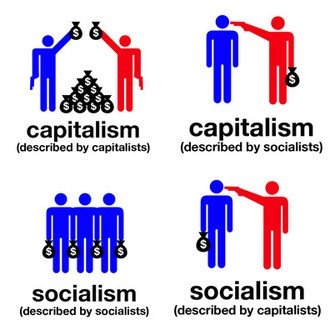
Capitalism vs. Socialism vs. Distributism
Capitalism vs. Socialism vs. Distributism by Bryan J. Neva, Sr. Since ancient times, people have bought, sold, and traded land,...
-
 Whose Ox Is Being Gored? by Bryan J. Neva, Sr. You've probably heard the old cliché, "It all depends on whose ox is...
 -
 The Parable of the Lost Coin LUKE 15 8 “Or what woman, having ten silver coins, if she loses one coin, does not light a lamp and sweep ...
 -
 What Business can Learn from Sheep Herding by Bryan J. Neva, Sr. Business can learn a lot from the business of sheep herding. Sheep her...
 -
Loving Your Enemies by Fritz Chery, Feb 15, 2015, biblereasons.com Bible verses about loving your enemies This topic is something w...
-
 Capitalism vs. Socialism vs. Distributism by Bryan J. Neva, Sr. Since ancient times, people have bought, sold, and traded land,...
 -
 Elijah by Bryan Neva “Shout louder, Baal may be meditating, or retired, or on vacation, or asleep and needs to be awoken.” The grea...
 -
 The Leash Theory of Management by Bryan J. Neva, Sr. Have you ever heard a manager use phrases like, "I have to keep them on a sho...
 -
 The Parable of the Lost Son LUKE 15: 11 And he said, “There was a man who had two sons; 12 and the younger of them said to his fat...
 -
Thing 7 Free-market policies rarely make poor countries rich by Dr. Ha Joon Chang (Book Excerpt from 23 Things They Don't Tel...